Saturday, March 22, 2025

World Bear Day: Celebrating and Protecting Earth’s Majestic Bears

World Bear Day: Celebrating and Protecting Earth’s Majestic Bears

World Bear Day, observed every year on March 23rd, is a global initiative aimed at highlighting the importance of bears, their natural habitats, and the threats they encounter in the wild. As some of the most iconic and charismatic creatures on Earth, bears symbolize strength, resilience, and the untamed beauty of nature. Unfortunately, many bear species are endangered due to habitat destruction, climate change, illegal poaching, and conflicts with humans. This day serves as a vital reminder of the urgent need to protect these remarkable animals and preserve their ecosystems for future generations.

1000+ Brown Bear Pictures | Download Free Images on Unsplash

Established in 1992, World Bear Day focuses on raising awareness about the eight bear species worldwide, their ecological roles, and the challenges they confront. It underscores the importance of conservation efforts to safeguard these majestic animals and ensure their survival in an ever-changing world.

The Significance of World Bear Day

World Bear Day was established to highlight the importance of bears in the natural world and to promote their conservation. The day encourages individuals, organizations, and governments to take action to protect bears and their habitats. It also serves as an opportunity to educate the public about the ecological role of bears, the threats they face, and the steps needed to ensure their survival.

Bears are keystone species, meaning they play a crucial role in maintaining the health and balance of their ecosystems. By protecting bears, we also protect the countless other species that share their habitats. World Bear Day is a call to action for everyone to contribute to bear conservation, whether through supporting conservation organizations, advocating for stronger wildlife protection laws, or making sustainable lifestyle choices.

The Biology and Behavior of Bears

Bears belong to the family Ursidae and are found in a variety of habitats across the Northern Hemisphere and parts of South America. There are eight species of bears:

  1. American Black Bear (Ursus americanus): Found in North America, these bears are adaptable and live in forests, mountains, and swamps.

  2. Brown Bear (Ursus arctos): Includes grizzly bears and Kodiak bears, found in North America, Europe, and Asia.

  3. Polar Bear (Ursus maritimus): Inhabits the Arctic Circle, relying on sea ice for hunting seals.

  4. Asiatic Black Bear (Ursus thibetanus): Also known as the moon bear, found in forests across Asia.

  5. Sloth Bear (Melursus ursinus): Native to the Indian subcontinent, known for its long claws and shaggy coat.

  6. Sun Bear (Helarctos malayanus): The smallest bear species, found in Southeast Asia’s tropical forests.

  7. Spectacled Bear (Tremarctos ornatus): The only bear species native to South America, living in the Andes Mountains.

  8. Giant Panda (Ailuropoda melanoleuca): Found in China’s bamboo forests, known for its distinctive black-and-white coloring.

Bears are omnivores, with diets varying by species and habitat. They play a vital role in ecosystems by dispersing seeds, regulating prey populations, and maintaining forest health. Bears are also known for their intelligence, complex social behaviors, and adaptability.

Challenges Facing Bears

Despite their ecological importance, bears face numerous threats that have led to population declines and habitat fragmentation. Some of the key challenges include:

  1. Habitat Loss and Fragmentation: Deforestation, urbanization, and agricultural expansion have destroyed and fragmented bear habitats, making it difficult for them to find food, mates, and shelter.

  2. Climate Change: Rising temperatures and changing weather patterns are altering bear habitats. For example, polar bears are losing their sea ice habitats, while other species face changes in food availability.

  3. Poaching and Illegal Wildlife Trade: Bears are hunted for their body parts, which are used in traditional medicine, and for their fur. Cubs are also captured for the pet trade.

  4. Human-Wildlife Conflict: As human populations expand into bear habitats, conflicts arise over resources. Bears may raid crops or livestock, leading to retaliatory killings.

  5. Pollution: Pollution, including plastic waste and chemical contaminants, poses a threat to bears and their ecosystems. For example, polar bears are exposed to toxic chemicals that accumulate in their prey.

  6. Lack of Awareness: Many people are unaware of the importance of bears and the threats they face, leading to a lack of support for conservation efforts.

Conservation Efforts for Bears

Efforts to protect bears and their habitats are underway worldwide, involving governments, conservation organizations, and local communities. Some key conservation initiatives include:

  1. Protected Areas: Establishing national parks, wildlife reserves, and sanctuaries to safeguard bear habitats and provide safe spaces for them to thrive.

  2. Anti-Poaching Measures: Strengthening laws and enforcement to combat poaching and illegal wildlife trade. This includes increasing penalties for wildlife crimes and improving surveillance in critical habitats.

  3. Community-Based Conservation: Engaging local communities in conservation efforts by providing alternative livelihoods, education, and incentives to protect bears and their habitats.

  4. Research and Monitoring: Conducting scientific research to understand bear behavior, population dynamics, and habitat requirements. This information is used to develop effective conservation strategies.

  5. Climate Change Mitigation: Addressing the root causes of climate change by reducing greenhouse gas emissions and promoting sustainable practices. This includes protecting and restoring ecosystems that act as carbon sinks.

  6. Public Awareness Campaigns: Educating the public about the importance of bears and the threats they face through campaigns, documentaries, and social media.

  7. Rehabilitation and Release: Rescuing and rehabilitating injured or orphaned bears and releasing them back into the wild when possible.

Success Stories in Bear Conservation

Despite the challenges, there have been notable successes in bear conservation. Some examples include:

  1. Giant Panda Recovery: The giant panda, once on the brink of extinction, has seen a population increase due to intensive conservation efforts, including habitat protection and captive breeding programs. In 2016, the International Union for Conservation of Nature (IUCN) reclassified the giant panda from "endangered" to "vulnerable."

  2. American Black Bear Comeback: The American black bear has made a remarkable recovery in many parts of North America due to habitat restoration, hunting regulations, and public awareness campaigns.

  3. Sloth Bear Conservation in India: Efforts to protect sloth bears in India have included habitat restoration, anti-poaching measures, and community engagement, leading to stable populations in some areas.

  4. Polar Bear Conservation: International agreements, such as the 1973 Agreement on the Conservation of Polar Bears, have helped protect polar bears by regulating hunting and promoting research.

How You Can Help Protect Bears

Individuals can play a significant role in bear conservation by taking the following steps:

  1. Support Conservation Organizations: Donate to or volunteer with organizations dedicated to bear conservation, such as the World Wildlife Fund (WWF), the International Association for Bear Research and Management (IBA), and local wildlife groups.

  2. Advocate for Stronger Laws: Contact policymakers to advocate for stronger wildlife protection laws and funding for conservation programs.

  3. Reduce Your Carbon Footprint: Take steps to reduce your carbon footprint, such as using renewable energy, reducing waste, and supporting sustainable products.

  4. Avoid Products Made from Bears: Refrain from purchasing products made from bear parts, such as traditional medicines or fur.

  5. Educate Others: Share information about bears and the importance of conservation with your friends, family, and community.

  6. Support Sustainable Tourism: Choose eco-friendly tourism operators that prioritize wildlife conservation and respect bear habitats.

Conclusion

World Bear Day is a celebration of one of the planet’s most iconic and ecologically important animals. It is a day to reflect on the challenges bears face and the steps needed to ensure their survival. By raising awareness, supporting conservation efforts, and taking action to protect bear habitats, we can help secure a future where bears continue to thrive in the wild.

Bears are not just symbols of wilderness; they are vital components of healthy ecosystems. Their survival is intertwined with the health of our planet. On this World Bear Day, let us commit to protecting these majestic creatures and the habitats they depend on, ensuring a legacy of biodiversity and natural beauty for generations to come.

Photo from Unsplash

World Meteorological Day: Celebrating the Science of Weather and Climate

World Meteorological Day: Celebrating the Science of Weather and Climate

World Meteorological Day is celebrated annually on March 23rd to commemorate the establishment of the World Meteorological Organization (WMO) on this date in 1950. This day serves as a reminder of the critical role that meteorology and hydrology play in our daily lives, economies, and the environment. The WMO, a specialized agency of the United Nations, is dedicated to promoting international cooperation in atmospheric science, climatology, hydrology, and geophysics. Each year, World Meteorological Day focuses on a specific theme, highlighting the importance of weather, climate, and water resources in shaping our world.

504,500+ Meteorology Stock Photos, Pictures & Royalty-Free ...

History of World Meteorological Day

The origins of World Meteorological Day can be traced back to the establishment of the International Meteorological Organization (IMO) in 1873. The IMO was created to facilitate the exchange of weather information across national borders, which was crucial for maritime navigation, agriculture, and disaster preparedness. However, as the world became more interconnected and the need for standardized meteorological practices grew, the IMO evolved into the World Meteorological Organization (WMO) in 1950.

The WMO was established as a specialized agency of the United Nations, with the mandate to promote international cooperation in meteorology, hydrology, and related fields. On March 23, 1950, the WMO Convention came into force, marking the official birth of the organization. To commemorate this milestone, World Meteorological Day was established, and it has been celebrated every year since 1961.

The Role of the World Meteorological Organization (WMO)

The WMO plays a pivotal role in advancing meteorological science and its applications for the benefit of society. Its key functions include:

  1. Facilitating Global Cooperation: The WMO provides a platform for 193 member states and territories to collaborate on weather, climate, and water-related issues. This cooperation is essential for sharing data, research, and best practices.

  2. Standardizing Meteorological Practices: The WMO develops and promotes international standards for weather observation, data collection, and forecasting. These standards ensure consistency and accuracy in meteorological information worldwide.

  3. Supporting Weather and Climate Research: The WMO funds and coordinates research initiatives to improve our understanding of atmospheric processes, climate change, and extreme weather events.

  4. Enhancing Early Warning Systems: The WMO works with member states to develop and implement early warning systems for natural disasters such as hurricanes, floods, and droughts. These systems save lives and reduce economic losses.

  5. Promoting Sustainable Development: The WMO supports the United Nations' Sustainable Development Goals (SDGs) by providing scientific data and tools to address climate-related challenges, such as food security, water management, and renewable energy.

Themes of World Meteorological Day

Each year, World Meteorological Day is celebrated with a specific theme that reflects current challenges and opportunities in meteorology and climate science. These themes are chosen to raise awareness and inspire action on pressing global issues.

Closing the Early Warning Gap Together (2025): Emphasizes the need for universal access to early warning systems to mitigate disaster risks and save lives.

At the Frontline of Climate Action (2024): Highlights the urgent role of meteorologists and communities in combating climate change through proactive measures.

The Future of Weather, Climate, and Water Across Generations (2023): Stresses the importance of long-term planning and intergenerational equity in addressing climate challenges.

Early Warning and Early Action (2022): Focuses on improving early warning systems to reduce the impacts of extreme weather events.

The Ocean, Our Climate, and Weather (2021): Explores the critical role of oceans in regulating global climate and weather patterns.

Climate and Water (2020): Addresses the interconnectedness of climate change and water resources, advocating for sustainable water management.

The Sun, the Earth, and the Weather (2019): Examines the influence of solar activity on Earth’s weather and climate systems.

Weather-ready, Climate-smart (2018): Promotes preparedness and resilience to weather and climate-related risks.

Understanding Clouds (2017): Highlights the role of clouds in weather and climate systems.

Hotter, Drier, Wetter - Face the Future (2016): Addresses the increasing frequency of extreme weather events due to climate change.

Climate Knowledge for Climate Action (2015): Encourages the use of scientific knowledge to drive climate action.

Weather and Climate: Engaging Youth (2014): Focuses on involving young people in climate and weather initiatives.

50 Years of World Weather Watch (2013): Celebrates the achievements of the World Weather Watch program in improving global weather monitoring.

Powering Our Future with Weather, Climate, and Water (2012): Highlights the role of meteorological services in sustainable development.

Climate for You (2011): Personalizes the impact of climate change on individuals and communities.

60 Years of Service for Your Safety and Well-being (2010): Marks the WMO’s 60th anniversary, celebrating its contributions to global safety and well-being.

These themes reflect the WMO’s dedication to leveraging science and innovation to address pressing global challenges.

The Importance of Meteorology in Modern Society

Meteorology, the scientific study of the atmosphere and its phenomena, has a profound impact on various aspects of modern society. Below are some key areas where meteorology plays a crucial role:

  1. Disaster Preparedness and Response: Accurate weather forecasts and early warning systems are essential for preparing for and responding to natural disasters such as hurricanes, tornadoes, floods, and heatwaves. Meteorologists provide timely information that helps governments, communities, and individuals take proactive measures to protect lives and property.

  2. Agriculture and Food Security: Weather and climate conditions significantly influence agricultural productivity. Meteorologists provide farmers with critical information on rainfall, temperature, and soil moisture, enabling them to make informed decisions about planting, irrigation, and harvesting. This information is vital for ensuring food security and reducing the risk of crop failures.

  3. Transportation and Navigation: Weather conditions affect all modes of transportation, including aviation, maritime, and road transport. Meteorologists provide forecasts that help pilots, ship captains, and drivers navigate safely and efficiently. For example, accurate wind and turbulence forecasts are crucial for aviation safety, while sea state forecasts are essential for maritime navigation.

  4. Energy Production and Management: The energy sector relies heavily on meteorological data for the production and management of renewable energy sources such as wind, solar, and hydropower. Weather forecasts help energy companies optimize the generation and distribution of electricity, ensuring a stable and reliable energy supply.

  5. Public Health: Weather and climate conditions have a direct impact on public health. Extreme heat, cold, and air pollution can exacerbate health problems, particularly for vulnerable populations such as the elderly and those with pre-existing conditions. Meteorologists work with public health officials to provide forecasts and warnings that help mitigate these risks.

  6. Climate Change Mitigation and Adaptation: Meteorologists play a key role in monitoring and understanding climate change. They provide data and models that inform policymakers and stakeholders about the impacts of climate change and the measures needed to mitigate and adapt to its effects.

Challenges in Meteorology and Climate Science

Despite significant advancements in meteorological science, several challenges remain:

  1. Data Gaps and Accessibility: In many parts of the world, particularly in developing countries, there is a lack of reliable meteorological data due to insufficient observation networks and resources. This hampers the accuracy of weather forecasts and climate models.

  2. Climate Change Uncertainty: While there is a scientific consensus on the reality of climate change, there is still uncertainty about its pace, magnitude, and regional impacts. This uncertainty complicates efforts to develop effective mitigation and adaptation strategies.

  3. Extreme Weather Events: The frequency and intensity of extreme weather events, such as hurricanes, floods, and droughts, are increasing due to climate change. Predicting these events with precision remains a challenge for meteorologists.

  4. Technological Limitations: While technological advancements have improved weather forecasting, there are still limitations in modeling complex atmospheric processes. High-resolution models require significant computational resources, which may not be available in all countries.

  5. Public Awareness and Education: Many people lack a basic understanding of meteorology and climate science, which can hinder efforts to promote climate action and disaster preparedness. Increasing public awareness and education is essential for building resilience to weather and climate-related risks.

Opportunities in Meteorology and Climate Science

Despite these challenges, there are numerous opportunities to advance meteorological science and its applications:

  1. Big Data and Artificial Intelligence: The use of big data and artificial intelligence (AI) in meteorology is revolutionizing weather forecasting and climate modeling. AI algorithms can analyze vast amounts of data from satellites, weather stations, and other sources to improve the accuracy and timeliness of forecasts.

  2. International Collaboration: The WMO's global network provides a platform for countries to share data, resources, and expertise. Strengthening international collaboration can help address data gaps and improve the quality of meteorological services worldwide.

  3. Innovative Technologies: Advances in remote sensing, satellite technology, and high-performance computing are enhancing our ability to observe and model the Earth's atmosphere. These technologies enable more precise and detailed weather forecasts and climate projections.

  4. Climate Services: The development of climate services, which provide tailored information and tools for decision-making, is helping sectors such as agriculture, water management, and disaster risk reduction adapt to climate change.

  5. Public Engagement: Increasing public engagement through education and outreach can foster a greater understanding of meteorology and climate science. This can empower individuals and communities to take action to address climate change and build resilience to weather-related risks.

Conclusion

World Meteorological Day is a celebration of the science of weather and climate and its profound impact on our lives. It is a day to recognize the contributions of meteorologists and scientists worldwide in advancing our understanding of the atmosphere and its interactions with the Earth's systems. By commemorating this day, we reaffirm our commitment to international cooperation, innovation, and sustainability in addressing the challenges of weather, climate, and water resources.

As we face the growing threats of climate change and extreme weather events, the importance of meteorology and climate science cannot be overstated. Through continued research, collaboration, and public engagement, we can harness the power of science to build a safer, more resilient, and sustainable future for generations to come. On this World Meteorological Day, let us celebrate the achievements of the past and look forward to the opportunities of the future, united in our efforts to protect our planet and its inhabitants.

Photo from iStock

National Corn Dog Day: A Delicious Celebration of America’s Favorite Comfort Food

National Corn Dog Day: A Delicious Celebration of America’s Favorite Comfort Food

Every year on March 22nd, food enthusiasts across the United States come together to celebrate National Corn Dog Day, a day dedicated to honoring one of America’s most iconic and beloved comfort foods—the corn dog. This humble yet irresistible treat, consisting of a hot dog coated in a cornmeal batter and deep-fried to golden perfection, has captured the hearts and taste buds of millions. National Corn Dog Day is not just about indulging in this tasty snack; it’s a celebration of food, fun, and the unique cultural significance of the corn dog. With its origins rooted in a casual gathering among friends, this special day has grown into a nationwide phenomenon, uniting people in their love for this classic fairground favorite.

3,900+ Corn Dogs Stock Photos, Pictures & Royalty-Free ...

Origins and History

The story of National Corn Dog Day begins in 1992 in Corvallis, Oregon, where two friends, Brady Sahnow and Henry Otley, were enjoying a casual evening watching college basketball during the NCAA tournament. As they cheered for their favorite teams, they decided to snack on corn dogs, a food that perfectly complemented the excitement of the game. This simple yet enjoyable experience sparked an idea: why not create a day dedicated to celebrating corn dogs while enjoying the thrill of basketball? And so, National Corn Dog Day was born.

What started as an informal gathering among friends quickly gained traction. By 1999, the celebration had evolved to include not just corn dogs but also tater tots and beer, creating a trifecta of indulgence that perfectly matched the festive atmosphere of basketball season. The tradition continued to grow, and by 2008, National Corn Dog Day was being celebrated in all 50 U.S. states, with thousands of people joining in the festivities. Today, the day is marked by parties, social media posts, and special promotions at restaurants and food stands, making it a truly national event.

The Corn Dog: A Culinary Icon

The corn dog itself has a fascinating history that predates National Corn Dog Day by several decades. While its exact origins are debated, the corn dog as we know it today is believed to have been popularized in the United States during the early 20th century. One of the earliest claims to the invention of the corn dog comes from Texas, where vendors at state fairs began selling hot dogs coated in cornmeal batter and fried on sticks in the 1920s. The portable and convenient nature of the corn dog made it an instant hit at fairs, carnivals, and sporting events.

The corn dog’s popularity soared during the Great Depression and World War II, as it was an affordable and filling snack that could be easily mass-produced. By the mid-20th century, the corn dog had become a staple of American cuisine, synonymous with fun, nostalgia, and indulgence. Today, it remains a beloved treat at fairs, amusement parks, and backyard barbecues, evoking memories of childhood and carefree summer days.

How to Celebrate National Corn Dog Day

National Corn Dog Day is all about embracing the joy of this classic snack and sharing it with others. Here are some fun and creative ways to celebrate:

  1. Host a Corn Dog Party: Invite friends and family over for a corn dog feast. Serve a variety of corn dogs, including classic, mini, and gourmet versions, along with an array of dipping sauces like mustard, ketchup, and cheese.

  2. Try Making Your Own Corn Dogs: For those who enjoy cooking, making homemade corn dogs can be a fun and rewarding experience. There are countless recipes available online, ranging from traditional to creative twists like adding spices or using different types of sausages.

  3. Visit a Local Fair or Food Stand: Many fairs and food stands offer corn dogs year-round, but they often have special promotions or events on National Corn Dog Day. Supporting local businesses while enjoying a delicious treat is a win-win.

  4. Share the Love on Social Media: Post photos of your corn dog creations or celebrations on social media using the hashtag #NationalCornDogDay. Join the online community of corn dog enthusiasts and see how others are celebrating.

  5. Experiment with Gourmet Corn Dogs: For those looking to elevate their corn dog experience, try experimenting with gourmet versions. Use high-quality sausages, unique batters, or creative toppings to create a corn dog that’s truly one-of-a-kind.

The Cultural Significance of the Corn Dog

The corn dog is more than just a tasty snack; it’s a symbol of American culture and tradition. Its association with fairs, carnivals, and sporting events makes it a nostalgic treat that evokes feelings of joy and togetherness. The corn dog’s simplicity and versatility have also made it a canvas for culinary creativity, inspiring countless variations and innovations.

In addition to its cultural significance, the corn dog has also played a role in bringing people together. Whether it’s at a family gathering, a community event, or a national celebration like National Corn Dog Day, the corn dog has a unique ability to create connections and foster a sense of shared enjoyment.

Fun Facts About Corn Dogs

  • The world’s largest corn dog was made in Texas in 2012. It measured 8 feet long and weighed 55 pounds!

  • Corn dogs are known by different names around the world. In Australia, they’re called “dagwood dogs,” and in South Korea, they’re known as “hot dogs on a stick.”

  • The corn dog was one of the first foods to be served on a stick, making it a pioneer in the world of portable snacks.

  • Some restaurants and food trucks specialize in gourmet corn dogs, offering unique flavors like jalapeño cheddar, bacon-wrapped, and even dessert corn dogs filled with chocolate or fruit.

Conclusion

National Corn Dog Day is a celebration of food, fun, and the simple pleasures of life. From its humble beginnings as a casual gathering among friends to its current status as a nationwide phenomenon, this special day has become a testament to the enduring appeal of the corn dog. Whether you’re enjoying a classic corn dog at a fair, experimenting with gourmet recipes at home, or sharing the experience with loved ones, National Corn Dog Day is a reminder to savor the moments that bring us joy. So, on March 22nd, grab a corn dog, dip it in your favorite sauce, and join in the celebration of this iconic American treat!

Photo from iStock

Martín Vizcarra: Engineer, Politician, and the 67th President of Peru

Martín Vizcarra: Peruvian Engineer and Politician, 67th President of Peru

Martín Alberto Vizcarra Cornejo is a Peruvian engineer, politician, and the 67th President of Peru, serving from March 23, 2018, to November 10, 2020. His presidency was marked by a strong anti-corruption stance, significant reforms in education and politics, and a commitment to transparency and governance. However, his tenure was also fraught with political challenges, controversies, and ultimately ended in impeachment. Vizcarra’s journey from a civil engineer to the highest office in Peru is a testament to his resilience, leadership, and dedication to public service.

Martín Vizcarra adelantó el regreso desde Brasil a Perú: no asistirá a la asunción de Jair ...

Early Life and Background

Martín Vizcarra was born on March 22, 1963, in Lima, Peru. He grew up in a middle-class family in the city of Moquegua, located in southern Peru. His father, César Vizcarra, was a civil engineer, and his mother, María Cornejo, was a teacher. From an early age, Vizcarra was exposed to the values of hard work, education, and public service.

Vizcarra attended the National University of Engineering (UNI) in Lima, where he earned a degree in civil engineering. His academic background in engineering shaped his problem-solving approach and analytical mindset, which later influenced his political career. After completing his studies, Vizcarra returned to Moquegua, where he began his professional career in construction and infrastructure development.

In the early stages of his career, Vizcarra worked on various engineering projects, including road construction and urban development. His work in the private sector provided him with a deep understanding of the challenges faced by Peru’s infrastructure and economy. This experience would later inform his policies as a public servant.

Political Rise

Martín Vizcarra’s entry into politics was not immediate. He initially focused on his engineering career and community development projects in Moquegua. However, his growing reputation as a competent and dedicated professional caught the attention of local leaders, who encouraged him to run for public office.

In 2006, Vizcarra was elected as the Regional President of Moquegua, a position he held until 2010. During his tenure, he implemented several infrastructure projects, improved public services, and promoted economic development in the region. His success in Moquegua earned him national recognition and paved the way for his entry into national politics.

Vizcarra’s political rise continued when he joined the Peruanos Por el Kambio (PPK) party, led by Pedro Pablo Kuczynski. In 2016, he was elected as the First Vice President of Peru and appointed as the Minister of Transport and Communications. These positions allowed him to influence national policies and gain valuable experience in governance.

Major Political Positions

  1. Regional President of Moquegua (2006–2010): Vizcarra’s first major political role was as the Regional President of Moquegua. During his tenure, he focused on infrastructure development, education, and healthcare. His administration successfully negotiated with mining companies to secure higher royalties for the region, which were reinvested in public projects.

  2. Minister of Transport and Communications (2016–2017): As Minister, Vizcarra oversaw major infrastructure projects, including the expansion of Lima’s Metro system and improvements to Peru’s road networks. However, his tenure was marred by controversies, including the “Lava Jato” scandal, which implicated several high-ranking officials in corruption.

  3. Ambassador to Canada (2017–2018): Following his resignation as Minister, Vizcarra was appointed as Peru’s Ambassador to Canada. Although this role was less prominent, it allowed him to gain international experience and build diplomatic connections.

  4. President of Peru (2018–2020): Vizcarra assumed the presidency after Pedro Pablo Kuczynski resigned amid corruption allegations. As president, Vizcarra prioritized anti-corruption measures, political reform, and education.

Political Philosophy and Ideology

Martín Vizcarra’s political philosophy was rooted in pragmatism, transparency, and anti-corruption. He believed in the importance of good governance and the rule of law as the foundation for economic and social development. Vizcarra’s ideology was centrist, focusing on practical solutions rather than rigid ideological positions.

His commitment to anti-corruption was a defining feature of his presidency. Vizcarra often stated that corruption was the greatest obstacle to Peru’s progress and dedicated significant efforts to combating it. He also emphasized the importance of education and infrastructure as key drivers of development.

Significant Policies and Reforms

  1. Anti-Corruption Measures: Vizcarra’s administration implemented several measures to combat corruption, including the creation of specialized anti-corruption courts and the strengthening of oversight institutions. He also promoted transparency in public procurement and government contracts.

  2. Political Reform: One of Vizcarra’s most significant achievements was the approval of a constitutional reform to reinstate the bicameral Congress, which had been abolished in 1993. He also pushed for stricter campaign finance regulations and term limits for lawmakers.

  3. Education Reform: Vizcarra prioritized education as a key area for reform. His administration increased funding for public schools, improved teacher training programs, and promoted the use of technology in education.

  4. Infrastructure Development: Building on his experience as Minister of Transport and Communications, Vizcarra continued to invest in infrastructure projects, including highways, airports, and public transportation systems.

  5. COVID-19 Response: During the COVID-19 pandemic, Vizcarra’s government implemented strict lockdown measures and provided economic support to vulnerable populations. However, the pandemic also exposed weaknesses in Peru’s healthcare system and economy.

Impact on the Country

Martín Vizcarra’s presidency had a significant impact on Peru. His anti-corruption efforts and political reforms were widely praised and contributed to a renewed sense of hope among Peruvians. However, his tenure was also marked by political instability and economic challenges.

Vizcarra’s emphasis on transparency and governance set a new standard for public officials in Peru. His reforms in education and infrastructure laid the groundwork for long-term development. However, the COVID-19 pandemic and subsequent economic downturn overshadowed many of his achievements.

Controversies and Challenges

Despite his accomplishments, Vizcarra’s presidency was not without controversy. His impeachment in November 2020, following allegations of corruption and mismanagement, was a significant blow to his legacy. Critics argued that the impeachment was politically motivated, while others supported it as a necessary step to ensure accountability.

Vizcarra also faced challenges in managing the COVID-19 pandemic, with Peru experiencing one of the highest death rates in the world. The economic impact of the pandemic further strained his administration and led to widespread dissatisfaction among the population.

Personal Life and Character

Martín Vizcarra is known for his calm and reserved demeanor. He is married to Maribel Díaz Cabello, and the couple has three children. Vizcarra’s family has largely stayed out of the public eye, reflecting his preference for privacy.

Colleagues and supporters describe Vizcarra as a dedicated and hardworking leader with a strong sense of integrity. His background as an engineer is often cited as a key factor in his analytical and pragmatic approach to governance.

Legacy

Martín Vizcarra’s legacy is complex. On one hand, he is remembered as a reformist leader who prioritized anti-corruption and transparency. His efforts to strengthen Peru’s democratic institutions and improve education and infrastructure have left a lasting impact.

On the other hand, his impeachment and the challenges faced during his presidency have tarnished his reputation. The political instability and economic difficulties that marked his tenure continue to influence Peru’s trajectory.

Global Influence

While Martín Vizcarra’s influence was primarily domestic, his commitment to anti-corruption and good governance resonated internationally. He was seen as a symbol of the fight against corruption in Latin America, a region plagued by political scandals and governance challenges.

Vizcarra’s participation in international forums and his efforts to strengthen Peru’s diplomatic ties also contributed to his global profile. However, his impeachment and the subsequent political turmoil in Peru limited his ability to exert broader influence.

Conclusion

Martín Vizcarra’s journey from a civil engineer to the President of Peru is a story of resilience, dedication, and public service. His presidency was marked by significant reforms, particularly in the areas of anti-corruption, education, and infrastructure. However, his tenure was also fraught with challenges, including political instability, economic difficulties, and the COVID-19 pandemic.

Vizcarra’s legacy is a mixed one, reflecting both his achievements and the controversies that defined his presidency. Despite the challenges, his commitment to transparency and governance has left a lasting impact on Peru and serves as a reminder of the importance of integrity in public service.

Allergology: Exploring the Science, Diagnosis, and Future of Allergic Diseases

Allergology Unveiled: Exploring the Science, Diagnosis, and Future of Allergic Diseases

Allergology is the branch of medicine dedicated to the study, diagnosis, and treatment of allergic diseases. Allergic conditions are among the most common chronic diseases worldwide, affecting millions of individuals across all age groups. These conditions arise from an exaggerated immune response to substances that are generally harmless to most people, known as allergens. The field of allergology encompasses a wide range of disorders, including allergic rhinitis, asthma, atopic dermatitis, food allergies, drug allergies, and anaphylaxis. 

Allergy Symptoms Images - Free Download on Freepik

Historical Background

The study of allergies dates back to ancient times, with early descriptions of allergic reactions found in historical texts. However, the formal recognition of allergology as a distinct medical discipline began in the late 19th and early 20th centuries. The term "allergy" was coined by Austrian pediatrician Clemens von Pirquet in 1906, derived from the Greek words "allos" (other) and "ergon" (work), to describe an altered reactivity of the immune system. Von Pirquet's work laid the foundation for understanding hypersensitivity reactions.

In the early 20th century, researchers such as Robert Cooke and Arthur Coca made significant contributions to the field by identifying the role of immunoglobulin E (IgE) in allergic reactions. The discovery of IgE in the 1960s by Kimishige Ishizaka and Teruko Ishizaka marked a pivotal moment in allergology, providing a molecular basis for understanding allergic diseases. Since then, advancements in immunology, molecular biology, and genetics have further expanded our knowledge of allergic mechanisms and treatment options.

Immunological Basis of Allergic Diseases

Allergic diseases result from a dysregulated immune response to environmental allergens. The immune system, which is designed to protect the body from harmful pathogens, mistakenly identifies harmless substances as threats. This misidentification triggers a cascade of immunological events leading to the symptoms of allergic diseases.

  1. Sensitization Phase:

    • The sensitization phase occurs upon initial exposure to an allergen. Antigen-presenting cells (APCs), such as dendritic cells, capture and process the allergen, presenting it to T-helper 2 (Th2) cells.

    • Th2 cells release cytokines, including interleukin-4 (IL-4) and interleukin-13 (IL-13), which promote the differentiation of B cells into plasma cells that produce allergen-specific IgE antibodies.

    • These IgE antibodies bind to high-affinity receptors (FcεRI) on the surface of mast cells and basophils, priming them for subsequent encounters with the allergen.

  2. Effector Phase:

    • Upon re-exposure to the allergen, it cross-links the IgE antibodies on the surface of mast cells and basophils, leading to their activation.

    • Activated mast cells and basophils release preformed mediators, such as histamine, and synthesize new mediators, including leukotrienes and prostaglandins.

    • These mediators cause vasodilation, increased vascular permeability, smooth muscle contraction, and mucus production, resulting in the characteristic symptoms of allergic reactions.

  3. Chronic Inflammation:

    • In chronic allergic conditions, such as asthma and atopic dermatitis, persistent exposure to allergens leads to ongoing inflammation.

    • Eosinophils, Th2 cells, and other immune cells infiltrate the affected tissues, releasing pro-inflammatory cytokines and perpetuating the inflammatory response.

    • This chronic inflammation contributes to tissue remodeling and the progression of allergic diseases.

Common Allergic Diseases

  1. Allergic Rhinitis:

    • Allergic rhinitis, also known as hay fever, is characterized by nasal congestion, sneezing, rhinorrhea, and itching. It is triggered by airborne allergens such as pollen, dust mites, and animal dander.

    • Seasonal allergic rhinitis occurs during specific times of the year, typically in response to pollen, while perennial allergic rhinitis persists year-round due to indoor allergens.

  2. Asthma:

    • Asthma is a chronic inflammatory disease of the airways, leading to recurrent episodes of wheezing, breathlessness, chest tightness, and coughing.

    • Allergic asthma, the most common form, is triggered by exposure to allergens such as pollen, mold, and pet dander. Non-allergic asthma can be induced by factors like exercise, cold air, and respiratory infections.

  3. Atopic Dermatitis:

    • Atopic dermatitis, or eczema, is a chronic inflammatory skin condition characterized by itchy, red, and swollen skin. It often begins in childhood and is associated with a personal or family history of allergic diseases.

    • The skin barrier dysfunction in atopic dermatitis allows allergens and irritants to penetrate, triggering immune responses and inflammation.

  4. Food Allergies:

    • Food allergies involve an immune response to specific proteins in foods, such as peanuts, tree nuts, milk, eggs, and shellfish.

    • Symptoms can range from mild (hives, itching) to severe (anaphylaxis), a life-threatening reaction that requires immediate medical attention.

  5. Drug Allergies:

    • Drug allergies occur when the immune system reacts to a medication, leading to symptoms such as rash, fever, and anaphylaxis.

    • Common culprits include antibiotics (e.g., penicillin), nonsteroidal anti-inflammatory drugs (NSAIDs), and anticonvulsants.

  6. Anaphylaxis:

    • Anaphylaxis is a severe, systemic allergic reaction that can be triggered by foods, medications, insect stings, or latex.

    • It involves rapid onset of symptoms, including respiratory distress, hypotension, and cardiovascular collapse, and requires prompt treatment with epinephrine.

Diagnostic Methods

Accurate diagnosis is essential for effective management of allergic diseases. Allergologists employ a combination of clinical history, physical examination, and diagnostic tests to identify the specific allergens responsible for a patient's symptoms.

  1. Clinical History:

    • A detailed clinical history is the cornerstone of allergy diagnosis. It includes information about the onset, duration, and severity of symptoms, as well as potential triggers and family history of allergic diseases.

  2. Skin Prick Tests:

    • Skin prick tests are commonly used to identify IgE-mediated allergies. Small amounts of suspected allergens are introduced into the skin through a prick or scratch.

    • A positive reaction, characterized by a wheal and flare, indicates sensitization to the allergen.

  3. Serum-Specific IgE Tests:

    • Serum-specific IgE tests measure the levels of allergen-specific IgE antibodies in the blood. These tests are useful when skin prick tests are contraindicated or inconclusive.

  4. Patch Tests:

    • Patch tests are used to diagnose contact dermatitis, a type of delayed hypersensitivity reaction. Allergens are applied to the skin using adhesive patches, and reactions are assessed after 48-72 hours.

  5. Provocation Tests:

    • Provocation tests involve controlled exposure to suspected allergens under medical supervision. These tests are used to confirm diagnoses in cases where other tests are inconclusive.

  6. Component-Resolved Diagnostics:

    • Component-resolved diagnostics (CRD) identify specific allergenic proteins within an allergen source. This approach provides detailed information about the patient's sensitization profile and helps predict the risk of severe reactions.

Therapeutic Approaches

The management of allergic diseases involves a combination of allergen avoidance, pharmacotherapy, and immunotherapy. The goal is to control symptoms, prevent exacerbations, and improve the patient's quality of life.

  1. Allergen Avoidance:

    • Avoiding exposure to known allergens is the first line of defense in managing allergic diseases. Strategies include using air purifiers, encasing mattresses and pillows in allergen-proof covers, and eliminating specific foods from the diet.

  2. Pharmacotherapy:

    • Antihistamines: Antihistamines block the action of histamine, reducing symptoms such as itching, sneezing, and rhinorrhea. They are available in oral and topical forms.

    • Corticosteroids: Corticosteroids are potent anti-inflammatory agents used to control inflammation in conditions like asthma and atopic dermatitis. They can be administered orally, topically, or via inhalation.

    • Leukotriene Receptor Antagonists: These medications block the action of leukotrienes, reducing inflammation and bronchoconstriction in asthma and allergic rhinitis.

    • Mast Cell Stabilizers: Mast cell stabilizers prevent the release of histamine and other mediators from mast cells, providing prophylactic treatment for allergic rhinitis and conjunctivitis.

    • Epinephrine: Epinephrine is the first-line treatment for anaphylaxis, rapidly reversing the symptoms of severe allergic reactions.

  3. Immunotherapy:

    • Allergen-Specific Immunotherapy (AIT): AIT, also known as allergy shots, involves the gradual administration of increasing doses of the allergen to desensitize the immune system. It is effective for allergic rhinitis, asthma, and insect venom allergies.

    • Sublingual Immunotherapy (SLIT): SLIT involves placing allergen extracts under the tongue, offering a convenient alternative to injections. It is particularly useful for pollen and dust mite allergies.

    • Biologic Therapies: Biologic therapies target specific immune pathways involved in allergic inflammation. Examples include omalizumab (anti-IgE) for severe asthma and dupilumab (anti-IL-4/IL-13) for atopic dermatitis.

Future Directions

The field of allergology is continuously evolving, with ongoing research aimed at improving diagnostic methods, developing novel therapies, and understanding the underlying mechanisms of allergic diseases.

  1. Precision Medicine:

    • Advances in genomics and proteomics are paving the way for precision medicine in allergology. Personalized treatment plans based on an individual's genetic makeup and immune profile hold promise for more effective and targeted therapies.

  2. Microbiome Research:

    • The role of the microbiome in allergic diseases is an area of active investigation. Modulating the gut and skin microbiota through probiotics, prebiotics, and dietary interventions may offer new avenues for prevention and treatment.

  3. Novel Immunotherapies:

    • Researchers are exploring innovative immunotherapeutic approaches, such as peptide-based vaccines, DNA vaccines, and nanoparticle-based delivery systems, to enhance the efficacy and safety of allergy treatments.

  4. Biomarker Discovery:

    • Identifying reliable biomarkers for allergic diseases can improve early diagnosis, predict disease progression, and monitor treatment response. Efforts are underway to discover and validate such biomarkers in clinical studies.

  5. Environmental Interventions:

    • Understanding the impact of environmental factors, such as air pollution, climate change, and urbanization, on allergic diseases is crucial for developing public health strategies to reduce the burden of allergies.

Conclusion

Allergology is a dynamic and multifaceted field that plays a critical role in improving the health and well-being of individuals with allergic diseases. From its historical roots to the latest scientific advancements, allergology has made significant strides in understanding and managing allergic conditions. As research continues to unravel the complexities of the immune system and its interactions with the environment, the future of allergology holds great promise for more effective diagnostics, therapies, and preventive measures. By addressing the challenges and opportunities in this field, allergologists can continue to make a profound impact on the lives of patients worldwide.

Friday, March 21, 2025

The Coffee Axis (Eje Cafetero), Colombia: A Cultural and Ecological Heartland of Coffee Production

The Coffee Axis (Eje Cafetero), Colombia: A Cultural and Ecological Heartland of Coffee Production

The Coffee Axis, or Eje Cafetero, is a region located in the central part of Colombia, renowned for its rich cultural heritage, lush landscapes, and, most notably, its coffee production. It is one of the most important coffee-growing areas in the world and forms the backbone of Colombia’s economy. The Coffee Axis consists of the departments of Caldas, Risaralda, Quindío, and parts of Tolima, Valle del Cauca, and Cauca. Spanning an area of over 100,000 square kilometers, this region has been the heart of Colombian coffee production for centuries.

810+ Zona Cafetera Stock Photos, Pictures & Royalty-Free ...

In addition to its role as the primary producer of coffee, the Coffee Axis is a UNESCO World Heritage Site, recognized for its cultural significance and stunning natural beauty. The area is home to picturesque towns, lush green mountains, and a vibrant coffee culture that shapes the daily lives of the people living there. This detailed exploration dives into the history, culture, economy, and ecology of the Coffee Axis, highlighting its importance both locally and globally.

Geography and Climate of the Coffee Axis

The Coffee Axis is located in the central Andes mountains, making it a region of striking contrasts and diverse landscapes. The department of Caldas, for example, is known for its high mountain ranges, deep valleys, and rivers that cut through the land. Quindío and Risaralda, both located to the north of Caldas, are characterized by steep slopes and fertile volcanic soil that is ideal for coffee cultivation. The region’s climate, which ranges from temperate to subtropical, is another factor that makes the Coffee Axis the perfect environment for growing coffee.

The coffee-growing regions in Colombia benefit from an altitude range between 1,200 and 1,800 meters above sea level. The combination of high altitude, stable temperatures, and ample rainfall throughout the year creates the ideal growing conditions for coffee plants. The region is famous for its "microclimates," which refer to the subtle variations in temperature, humidity, and sunlight that affect different coffee-growing zones. This diversity in climate contributes to the variety of coffee flavors produced in the region, with beans that have distinct fruity, floral, and nutty notes, among other characteristics.

820+ Colombian Coffee Region Stock Photos, Pictures & Royalty-Free Images -  iStock

History of Coffee Production in the Coffee Axis

Coffee production in Colombia has a deep-rooted history that traces back to the early 18th century. The first coffee plants were introduced to Colombia in the late 1700s, likely brought from the Caribbean by the Spanish. However, it was not until the mid-1800s that coffee cultivation began to take off in the region that would later become the Coffee Axis.

During the 19th century, coffee production became increasingly significant for Colombia’s economy. The fertile lands of the Coffee Axis, combined with a growing demand for coffee in Europe and North America, made the region a prime location for large-scale coffee farms. Over time, coffee became one of Colombia’s most important export products, and the Coffee Axis became the country's primary coffee-growing region.

By the early 20th century, coffee was firmly established as Colombia’s leading agricultural export, and the Coffee Axis was at the forefront of this industry. The establishment of the National Federation of Coffee Growers of Colombia (FNC) in 1927 helped promote the quality of Colombian coffee, improve farming practices, and address the challenges faced by coffee producers. The FNC also played a crucial role in the global recognition of Colombian coffee as a premium product, with its signature "Juan Valdez" brand becoming synonymous with high-quality coffee.

810+ Zona Cafetera Stock Photos, Pictures & Royalty-Free ...

Coffee Cultivation and Production

Coffee is the primary agricultural product of the Coffee Axis, and the region is home to millions of coffee farmers who grow coffee on small plots of land, as well as larger farms. The coffee plants in the region primarily consist of Arabica beans, known for their smooth, mild flavor and rich aroma. The Coffee Axis produces around 12 million bags of coffee annually, making Colombia one of the world’s leading producers of coffee, second only to Brazil.

The process of coffee cultivation in the Coffee Axis is highly labor-intensive, and much of the work is done by local farmers and their families. Handpicking is the preferred method for harvesting coffee cherries, as it allows for greater selectivity, ensuring that only ripe cherries are picked. After harvest, the cherries are processed to extract the coffee beans, which are then dried and roasted before being exported around the world.

Farmers in the Coffee Axis take pride in the high quality of their coffee, and many adhere to sustainable farming practices that preserve the environment while improving the quality of their crops. Techniques such as shade-grown coffee, where coffee plants are cultivated under the canopy of taller trees, help maintain the ecological balance of the region and contribute to the unique flavors of the coffee.

Coffee Culture and Its Impact on the Region

The Coffee Axis is not only a hub of coffee production but also a region deeply embedded in the culture of coffee. Coffee drinking is an essential part of daily life in the region, and the coffee ritual is embedded in Colombian culture. Coffee is consumed at virtually every social gathering, from family breakfasts to business meetings. The traditional "tinto" (a small cup of black coffee) is the preferred beverage, and it is typically enjoyed throughout the day.

In addition to daily consumption, coffee plays a central role in regional identity. The people of the Coffee Axis take immense pride in their coffee heritage, and the region’s towns and villages celebrate their coffee culture with festivals, events, and cultural activities. The National Coffee Festival (Fiesta Nacional del Oro y el Café), held annually in Manizales, is one such celebration that attracts tourists from around the world.

Coffee production has also shaped the development of many towns in the Coffee Axis, with the colonial architecture, cobblestone streets, and charming squares that are characteristic of many of the region’s towns. Coffee has been a significant driver of local economies, providing livelihoods for millions of people, from small farmers to larger cooperatives. The creation of the Coffee Cultural Landscape, which is an area within the Coffee Axis recognized by UNESCO as a cultural heritage site, further highlights the importance of coffee to the region’s heritage and identity.

UNESCO World Heritage Status: Coffee Cultural Landscape

In 2011, the Coffee Axis was designated a UNESCO World Heritage Site under the name "Coffee Cultural Landscape." This designation recognizes the outstanding universal value of the region's traditional coffee farms, terraces, and rural landscapes, which are not only an integral part of Colombian culture but also exemplify the ways in which humans have shaped their environment in sustainable and harmonious ways.

The Coffee Cultural Landscape encompasses a vast area that stretches across the departments of Caldas, Quindío, Risaralda, and parts of Tolima and Valle del Cauca. This area includes the iconic coffee farms, the traditional architecture of the coffee towns, and the rich cultural practices that surround coffee cultivation. UNESCO’s recognition of the region aims to preserve the heritage of coffee farming, promote sustainable practices, and support the preservation of the region’s cultural and environmental landscapes for future generations.

The Coffee Cultural Landscape is also home to a network of coffee museums, visitor centers, and coffee-themed tours, allowing tourists to experience the entire coffee production process, from planting and harvesting to roasting and brewing. These attractions highlight the deep connection between coffee cultivation and the region’s heritage, providing an immersive experience for visitors.

Tourism in the Coffee Axis

The Coffee Axis has become one of Colombia’s top tourist destinations due to its stunning landscapes, charming towns, and, of course, its coffee culture. Tourists flock to the region to explore its picturesque villages, learn about coffee production, and enjoy activities such as hiking, birdwatching, and eco-tourism. The Coffee Axis is part of Colombia’s broader tourism strategy to promote sustainable and responsible travel, and the region’s tourism industry has seen significant growth in recent years.

Some of the key tourist destinations within the Coffee Axis include:

  • Manizales: The capital of Caldas, known for its coffee culture, vibrant festivals, and stunning views of the surrounding mountains.
  • Armenia: The capital of Quindío, famous for its coffee farms, coffee museums, and cultural landmarks.
  • Salento: A charming town in Quindío known for its colorful colonial architecture, coffee plantations, and access to the Cocora Valley, home to the famous wax palm trees.
  • Pereira: The capital of Risaralda, a bustling city that offers access to coffee tours and is surrounded by lush coffee farms.

Challenges and Future Prospects

Despite its global recognition and economic importance, the Coffee Axis faces several challenges, particularly related to climate change, coffee price volatility, and rural development. Rising temperatures and changing rainfall patterns have affected coffee yields, with some areas experiencing more intense dry seasons and unpredictable weather. Farmers in the region are working to adapt to these changes by adopting more resilient farming practices and experimenting with new coffee varieties that are better suited to the changing climate.

Additionally, the global coffee market’s price fluctuations continue to affect the livelihoods of small coffee producers. While the demand for high-quality Colombian coffee remains strong, many farmers struggle with low coffee prices that make it difficult to cover their production costs. To address this, organizations such as the National Federation of Coffee Growers of Colombia (FNC) are working to improve the quality of coffee, promote fair trade practices, and support farmers in their efforts to increase profitability.

The future of the Coffee Axis is also closely tied to its ability to balance sustainable coffee production with tourism and cultural preservation. The Coffee Cultural Landscape designation has provided a foundation for protecting the region’s natural and cultural assets, but ongoing efforts will be needed to ensure that future generations can continue to enjoy the region’s coffee heritage.

Conclusion

The Coffee Axis of Colombia stands as a living testament to the rich cultural, historical, and ecological significance of coffee production. It is a region where the land, the people, and the coffee beans come together in a unique and harmonious way. As the world continues to demand high-quality coffee, the Coffee Axis remains at the forefront of the global coffee industry, while also preserving the cultural traditions and ecological practices that have been passed down for generations. With its breathtaking landscapes, vibrant towns, and proud coffee farmers, the Coffee Axis is not only a place where exceptional coffee is grown but also a region that represents the heart and soul of Colombian culture.

Photo from iStock

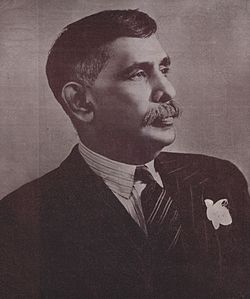
D. S. Senanayake: Sri Lanka’s Founding Father and Architect of Independence and Nation-Building

D. S. Senanayake: The Architect of Modern Sri Lanka

Don Stephen Senanayake, widely regarded as the "Father of the Nation," was the first Prime Minister of Sri Lanka (then known as Ceylon) and a pivotal figure in the country's journey to independence. Born on October 20, 1884, in the village of Botale in the Western Province of Ceylon, Senanayake played a crucial role in shaping the political, economic, and social landscape of the island nation. His leadership, vision, and dedication to the welfare of his people laid the foundation for a modern, independent Sri Lanka. 


Early Life and Background

D. S. Senanayake was born into a wealthy and influential family with deep roots in the rural aristocracy of Ceylon. His father, Don Spater Senanayake, was a successful entrepreneur and landowner, while his mother, Dona Catherina Elizabeth Perera Gunasekera, came from a prominent family. The Senanayake family was deeply involved in the social and political life of the country, and their wealth and influence provided D. S. Senanayake with opportunities for education and public service.

Senanayake received his early education at S. Thomas' College, Mount Lavinia, a prestigious Anglican school known for its emphasis on discipline and academic excellence. Although he was not an outstanding student, he displayed a keen interest in sports, particularly cricket, which remained a lifelong passion. His education at S. Thomas' College instilled in him a sense of duty, leadership, and service to the community, values that would guide him throughout his life.

After completing his schooling, Senanayake joined his family's business ventures, which included graphite mining, agriculture, and trade. His involvement in these enterprises gave him a practical understanding of the economic challenges facing Ceylon and the importance of sustainable development. It also brought him into contact with people from diverse backgrounds, fostering a deep empathy for the struggles of ordinary citizens.

Entry into Politics

D. S. Senanayake's entry into politics was influenced by his family's involvement in the temperance movement, which sought to combat the social and economic problems caused by alcohol abuse. The movement was closely linked to the broader struggle for political reform and self-governance, as it challenged the colonial administration's policies and highlighted the need for greater local representation.

In 1919, Senanayake joined the Ceylon National Congress (CNC), a political organization founded to advocate for constitutional reforms and greater autonomy for Ceylon. His leadership skills and commitment to the cause quickly earned him a prominent position within the Congress. He worked closely with other nationalist leaders, such as Sir Ponnambalam Arunachalam and E. W. Perera, to push for reforms that would give Ceylonese citizens a greater say in the governance of their country.

Senanayake's political career gained momentum in the 1920s when he was elected to the Legislative Council of Ceylon. As a member of the Council, he focused on issues such as land reform, agricultural development, and education. He recognized that economic self-sufficiency was essential for achieving political independence and worked tirelessly to promote policies that would benefit the rural population, who constituted the majority of Ceylon's inhabitants.

The Struggle for Independence

The early 20th century was a period of growing nationalist sentiment in Ceylon, as people across the island began to demand an end to British colonial rule. D. S. Senanayake emerged as one of the leading figures in the independence movement, advocating for a peaceful and gradual transition to self-governance. His pragmatic approach and ability to build consensus among diverse political groups set him apart from more radical leaders who favored confrontational tactics.

Senanayake's vision for an independent Ceylon was rooted in the principles of democracy, social justice, and economic development. He believed that the country's diverse ethnic and religious communities could coexist harmoniously under a unified national identity. This vision was reflected in his efforts to promote inter-communal cooperation and his rejection of divisive politics.

One of Senanayake's most significant contributions to the independence movement was his role in the negotiations with the British government. As a member of the Board of Ministers and later as the Minister of Agriculture and Lands, he played a key role in drafting the constitutional reforms that paved the way for self-governance. The Donoughmore Constitution of 1931, which introduced universal suffrage and increased local representation, was a major milestone in this process. Senanayake's leadership during this period earned him the respect and trust of both his colleagues and the British authorities.

Leadership in the Transition to Independence

The years leading up to Ceylon's independence in 1948 were marked by intense political activity and negotiations. D. S. Senanayake emerged as the undisputed leader of the independence movement, thanks to his pragmatic approach, administrative skills, and ability to unite different factions. He was instrumental in forming the United National Party (UNP) in 1946, a broad coalition of political groups that sought to achieve independence through peaceful means.

Senanayake's leadership was put to the test during the final stages of the independence negotiations. He skillfully navigated the complex political landscape, balancing the demands of various interest groups while maintaining a constructive dialogue with the British government. His efforts culminated in the Ceylon Independence Act of 1947, which granted the country dominion status within the British Commonwealth.

On February 4, 1948, Ceylon officially became an independent nation, and D. S. Senanayake was sworn in as its first Prime Minister. His inauguration marked the beginning of a new era in the country's history, as it embarked on the path of self-governance and nation-building.

Prime Minister of Ceylon: Nation-Building and Reforms

As Prime Minister, D. S. Senanayake faced the daunting task of building a new nation from the ashes of colonialism. His administration focused on addressing the pressing challenges of economic development, social welfare, and national unity. Senanayake's policies were guided by his belief in the importance of self-reliance, social justice, and inclusive growth.

One of his most significant achievements was the implementation of the Gal Oya Development Project, a large-scale irrigation and resettlement scheme aimed at increasing agricultural productivity and alleviating rural poverty. The project involved the construction of dams, canals, and reservoirs to provide water for irrigation and generate hydroelectric power. It also included the resettlement of thousands of families in newly developed agricultural colonies, providing them with land, housing, and infrastructure. The Gal Oya project was a testament to Senanayake's vision of harnessing the country's natural resources for the benefit of its people.

Senanayake also prioritized education and healthcare as key pillars of national development. His government invested in the expansion of schools, hospitals, and public services, particularly in rural areas. He believed that an educated and healthy population was essential for building a prosperous and equitable society.

In addition to his domestic policies, Senanayake played a crucial role in shaping Ceylon's foreign policy. He sought to establish the country as a respected member of the international community, maintaining close ties with the British Commonwealth while also forging relationships with other nations. His pragmatic and non-aligned approach to foreign policy laid the groundwork for Ceylon's future diplomatic engagements.

Legacy and Impact

D. S. Senanayake's tenure as Prime Minister was tragically cut short when he passed away on March 22, 1952, following a stroke. His death was a profound loss for the nation, as he was widely regarded as the architect of modern Sri Lanka. His legacy, however, continues to shape the country's political and social fabric.

Senanayake's contributions to the independence movement and his leadership as Prime Minister earned him the title of "Father of the Nation." His vision of a united, democratic, and prosperous Sri Lanka remains a guiding principle for the country's development. The policies and institutions he established, such as the Gal Oya Development Project and the United National Party, continue to influence Sri Lanka's political and economic landscape.

Perhaps Senanayake's greatest legacy is his commitment to national unity and social harmony. In a country marked by ethnic and religious diversity, he sought to build a sense of shared identity and purpose. His emphasis on inclusive development and inter-communal cooperation remains relevant in contemporary Sri Lanka, as the country continues to grapple with issues of reconciliation and social cohesion.

Conclusion

D. S. Senanayake's life and legacy are a testament to the power of visionary leadership and unwavering dedication to the welfare of one's people. As the first Prime Minister of Sri Lanka, he laid the foundation for a modern, independent nation, guided by the principles of democracy, social justice, and economic development. His contributions to the independence movement, his pragmatic approach to governance, and his commitment to national unity continue to inspire generations of Sri Lankans. In honoring his memory, we are reminded of the importance of leadership, vision, and collective effort in building a better future for all.