Sushi: History, Global Variations, Ingredients, Preparation Methods, Recipes, Safety, Sustainability, and Complete Culinary Appreciation Guide
Sushi is one of those foods that wears many identities at once: an art form, a quick snack, a ceremonial meal, a global industry, and for many people a beloved ritual. To encounter sushi is to meet precision, seasonality, and a restrained elegance; rice seasoned with vinegar becomes the stage, and fish, vegetables, seaweed and other components move across it like skilled performers. Yet sushi is also incredibly adaptable. It can be the splendid, chef-crafted nigiri served in whisper-quiet counters in Tokyo; the casual hand-rolled temaki eaten on a picnic; the inventive fusion rolls assembled in a North American kitchen; or the preserved, regional varieties that predate refrigeration and tell stories of geography and time. In this long-form exploration I will unpack sushi’s history and evolution, describe the countries where it flourished and where its styles diverged, list and explain essential ingredients and equipment, give detailed recipes and methods for making many classic types of sushi at home, and close with considerations about safety, sustainability, and etiquette. My aim is to give you not just recipes but a deeper, textured picture of what sushi really is — technically, historically, and sensorially — so that whether you sit down at a sushi bar or make a roll at your kitchen table, you’ll understand the craft behind every bite.
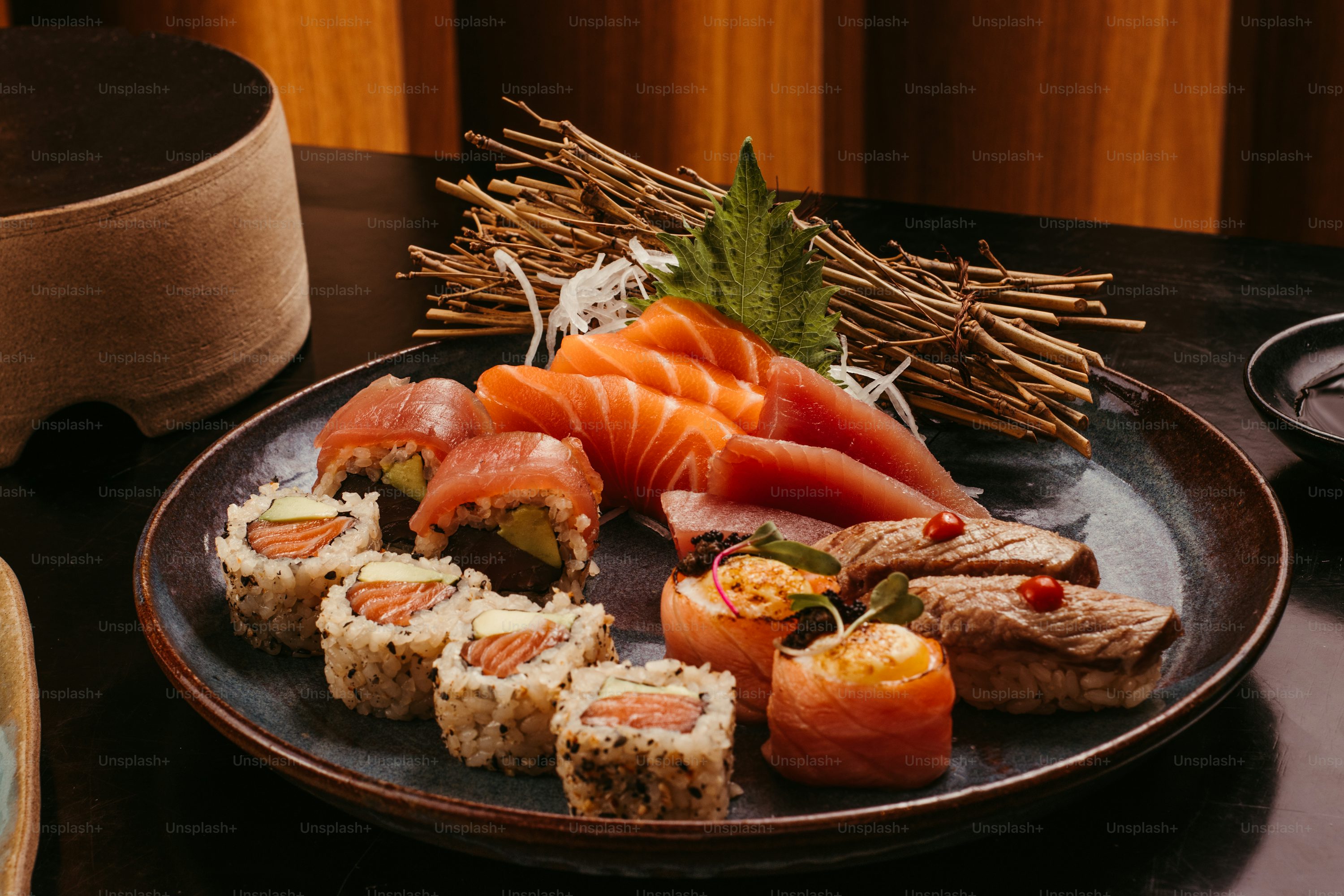
Origins and history: how sushi started and how it became what we know today
Sushi’s origins reach back centuries and are tied less to raw fish than to a preservation technique. The word “sushi” itself comes from an archaic expression meaning “sour-tasting,” reflecting the key role that fermented rice and vinegared rice played in its earliest forms. The earliest ancestor of sushi is thought to be narezushi, a practice that developed in Southeast Asia and spread into Japan, where fish were salted and placed in rice to ferment. The rice served merely as a fermentation medium and was discarded; the preserved fish was eaten months later. Over time, the Japanese adapted and localized this practice, and by the Muromachi period (14th–16th centuries) a type called namanare — partially fermented fish — appeared.
A major turning point came around the Edo period (1603–1868), when advances in rice cultivation, urban culture, and the availability of fresh fish in coastal Edo (modern Tokyo) birthed what we now call haya-zushi or “fast sushi.” This variant mixed vinegared rice with fish or vegetables so it could be eaten immediately rather than after fermentation. It was a form of street food, likely sold from stalls, and it emphasized speed and freshness. Eventually nigirizushi — hand-pressed rice topped with a slice of fish, seasoned with a little wasabi and sometimes bound with nori — became associated with Edo’s fast-food culture but later rose to high culinary art, especially as refrigeration and transportation technologies expanded the range of fresh fish.
The 20th century propelled sushi from a regional Japanese delicacy to an international phenomenon. Japanese chefs emigrated and opened restaurants worldwide; post-World War II shipping technology made fresh fish across oceans feasible; and creative chefs adapted sushi to local tastes, giving rise to rolls and styles that would never have appeared in Edo but that nonetheless expanded sushi’s vocabulary. California rolls, for example, wrapped avocado and cooked crab inside to appeal to Western palates. Today sushi sits simultaneously at multiple scales: as high-craft omakase dinners, as ubiquitous supermarket trays, and as a living culinary language that changes with each locale and season.
Famous countries and regional variations
Sushi’s home is Japan, but in the modern era it has been embraced, adapted, and reinterpreted across the world. Rather than a single global sushi, there are families of regional approaches worth knowing.
Japan. Japan remains the crucible of sushi culture. Regional differences in Japan are profound: Osaka is known historically for pressed sushi (oshizushi), Hokkaido for its abundance of cold-water seafood and ikura (salmon roe), Kyoto for more vegetarian, refined styles born of temple cuisine and the city’s status as a court town, and Tokyo (formerly Edo) for nigiri. Japanese sushi emphasizes seasonality (shun), texture, and the idea that good fish needs minimal adornment. The role of the sushi chef (itamae) is highly developed, and the training is rigorous.
United States and Canada. North America played a major role in many modern innovations. The California roll—avocado, cucumber, and cooked crab or imitation crab, usually rolled inside-out with rice on the outside—helped mainstream sushi in the 1970s and 1980s. Pacific Northwest and West Coast chefs embraced local fish like salmon and tuna and developed large, inventive rolls with multiple fillings and sauces. In many cities, sushi fusion blends local produce and international flavors: mango, jalapeño, cream cheese, and tempura crunch can all appear inside a roll. At the same time, high-end omakase and traditional nigiri restaurants flourish, particularly in major cities.
Southeast Asia. Countries such as Thailand, Malaysia, Singapore, and Vietnam have vibrant sushi scenes that mix Japanese techniques with local ingredients and flavor profiles. Tropical fruits or spicy sauces may appear; raw fish is interpreted through regional tastes.
Europe. European cities host many sushi restaurants, ranging from traditional Japanese to pan-Asian fusion. Local seafood and culinary traditions (for example, the prominence of smoked fish in Nordic cuisine) sometimes enter the sushi dialogue, producing interesting crossovers.
Latin America. In coastal Latin American countries, the quality of local seafood and long-standing ceviche traditions create a natural synergy with sushi. Peru, in particular, has a famous Nikkei cuisine — a Japanese-Peruvian fusion — where chefs blend Japanese technique with Peruvian ingredients like aji amarillo, creating dishes like tiradito that sit between sashimi and ceviche.
Australia and New Zealand. With access to exceptional seafood and a thriving multicultural food scene, Oceania produces both traditional sushi and bold reinterpretations using local fishes, herbs, and produce.
It’s important to note that in each country the sushi experience varies widely by venue: you can find minimalist counters focused on impeccable nigiri; conveyor-belt kaiten establishments for casual dining; izakaya-style bars serving sushi alongside hot dishes; and fast-food chains offering accessible rolls. The common thread is adaptability: sushi absorbs local techniques and ingredients while retaining a core focus on rice, seafood, and simplicity.
Ingredients — the building blocks of good sushi
At its heart sushi has a handful of essential components. Each of these deserves careful attention.
Sushi Rice (shari or sumeshi). This is not ordinary steamed rice. The variety, washing, soaking, cooking, and seasoning are all crucial. Japanese short-grain or medium-grain rice is preferred for its stickiness and glossy texture. After cooking, the rice is mixed with sushi-su — a cordial-like mixture of rice vinegar, sugar, and salt — while being cooled with a fan to create a glossy sheen and to set each grain so it’s distinct yet cohesive. The rice temperature, texture (al dente vs very soft), and seasoning level depend on the style and the chef’s preference.
Rice Vinegar and Sushi-su. Rice vinegar provides acidity that balances the richness of fish and helps preserve the rice slightly. The sugar and salt in sushi-su round the flavor. Quality rice vinegar and a careful balance are essential. Some sushi chefs add kombu (kelp) to the vinegar to impart an umami depth.
Seafood. Freshness and quality matter. Traditional sushi uses raw fish — tuna (maguro), salmon (sake), yellowtail (hamachi), mackerel (saba) — but also shellfish (ebi, amaebi), roe (ikura, tobiko), and even cooked items like unagi (grilled freshwater eel) or anago (saltwater eel). Different fishes require different handling: some are served chilled, some at room temperature, some seared (aburi), and some cured or marinated to enhance flavor and texture.
Nori (seaweed). Sheets of dried seaweed are used for rolling (makizushi) or as small belts to bind nigiri. Nori varies in quality and texture; good nori is crisp and fragrant.
Wasabi. Traditionally, wasabi is freshly grated from the rhizome of Wasabia japonica and offers a bright, nasal-clearing heat. Outside Japan, a mixture of horseradish, mustard, and green coloring is often served as “wasabi.” Chefs in omakase contexts often apply a dab of fresh wasabi between rice and fish.
Soy Sauce (shoyu). Soy sauce is used sparingly as a dip for nigiri or sashimi. The style of soy sauce matters: lighter, more delicate shoyu is often preferred for sushi to avoid overpowering subtle fish flavors.
Pickled Ginger (gari). Thinly sliced ginger pickled in vinegar and sugar cleanses the palate between bites.
Other ingredients. Sesame, scallions, shiso (Japanese perilla), yuzu, ponzu, tempura bits (tenkasu), and condiments like karashi (Japanese mustard) or mayonnaise-based sauces appear depending on style and region. Vegetables such as cucumber, daikon radish, avocado (popular outside Japan), and pickled plum (umeboshi) are also used.
Salt, sugar, mirin, dashi. These pantry items underpin many sushi accompaniments and marinades. Mirin adds sweetness and gloss; dashi (a stock made from kombu and bonito flakes) is a umami base for many sauces and marinades.
Tools and equipment
You don’t need a fully outfitted sushi bar at home, but several tools make the process both easier and more authentic.
Rice cooker: A reliable rice cooker produces consistent rice; alternatively, a heavy pot with a tight-fitting lid works if you pay attention to soaking, proportions, and steaming.
Hangiri or wooden tub: Traditionally, sushi rice is mixed and cooled in a shallow wooden tub called a hangiri. The wood helps absorb excess moisture and lends subtle aroma. If unavailable, use a wide, shallow bowl or non-reactive wooden or plastic container.
Shamoji (rice paddle): Used to mix rice and sushi-su gently without crushing the grains.
Sharp knives: A long yanagiba (sashimi knife) or a long, sharp slicing knife for clean cuts of fish is ideal. A smaller deba knife can be used for filleting. Keep knives extremely sharp; a blunt knife will crush and tear.
Bamboo rolling mat (makisu): For tightly rolling maki and uramaki (inside-out rolls), a bamboo mat is essential. Wrap it with plastic wrap for cleanliness when using sticky rice.
Sushi molds: For pressed sushi (oshizushi) or to help beginners shape nigiri, molds can be helpful though many purists prefer hand shaping.
Fans: Traditional chefs use a hand fan while mixing rice to cool it quickly, achieving a glossy finish.
Tweezers: Small tweezers extract bones or place delicate garnishes.
Thermometer: Rice temperature matters; a simple kitchen thermometer can help if you’re dialing in precise methods.
Preparing sushi rice — the foundation
You can make great sushi only if the rice is right. The goal is rice that is slightly warm or room temperature, each grain distinct yet slightly sticky, and properly seasoned.
Choose short-grain Japanese rice. Rinse thoroughly until the water runs clear to remove excess starch. Soak the rice for 30 minutes to an hour (this allows even hydration), then cook using a rice cooker or on the stove with a 1:1.1 to 1:1.2 ratio of rice to water (exact ratios vary by brand). After cooking, let the rice rest covered for 10–15 minutes to finish steaming.
While the rice cooks, prepare sushi-su: combine rice vinegar, sugar, and salt in proportions that suit your taste — a common ratio might be 120–150 ml rice vinegar to 2–3 tablespoons sugar and 1 teaspoon salt for every 600–700 g of cooked rice, but many chefs adjust to preference. Warm the vinegar slightly to dissolve sugar and salt, and add a piece of kombu if desired for extra umami; remove kombu before mixing to avoid a gelatinous texture. Some recipes add a splash of mirin or a little sake.
Transfer the cooked rice to the hangiri or a wide ceramic bowl. Pour the sushi-su evenly over the rice and, using the shamoji, cut and fold the rice gently while fanning it to cool. The action separates grains rather than mashing them, and fanning helps set a glossy surface. Aim for rice that is slightly warm to room temperature; too cold and it becomes dry; too hot and it will kill the texture of the fish.
Fish handling and safety
Because sushi often uses raw seafood, safe sourcing and handling are paramount. Buy fish labeled “sushi-grade” or from a trusted fishmonger who understands your intent to eat it raw. Sushi-grade is not a regulated term everywhere, but it generally indicates fish that has been handled properly and frozen at temperatures that kill parasites (for many types of fish). Freezing recommendations for parasite destruction depend on fish species and local regulations; when in doubt, buy fish that’s been previously frozen to -20°C (-4°F) for at least 7 days or -35°C (-31°F) for 15 hours (commercial blast freezing) — but note that such specifics vary by law and country, and frozen-and-thawed fish can be excellent if thawed carefully.
Cleanliness matters. Keep work surfaces and knives spotless, use separate cutting boards for raw seafood and other ingredients, and keep fish chilled until use. When filleting at home, learn safe techniques to remove skin and pin bones; use tweezers to pluck bones from fillets. For shellfish such as shrimp or scallops, ensure they are fresh, properly cleaned, and from a reputable source.
Finally, be aware of local advisories about mercury and contaminants in fish (e.g., tuna, swordfish). Pregnant or immunocompromised individuals should consult health guidance before consuming raw fish.
Classic sushi types with recipes and methods
Below I provide detailed, practical, and approachable recipes for a range of sushi types: nigiri, maki (including inside-out uramaki), temaki, chirashi, oshizushi, and inari. Each recipe gives ingredients (with approximate quantities scaled for about 4–6 servings where applicable) and step-by-step method explained in paragraphs so you can follow the flow from start to finish.
Basic sushi rice (for all recipes)
For about 4–6 people you’ll need roughly 600–700 grams cooked rice (uncooked 350–400 g).
Begin by measuring 350 grams of Japanese short-grain rice. Rinse under cold water, gently swirling and discarding the cloudy rinse water, repeating until the water runs mostly clear. Drain and soak the rice in fresh water for 30 minutes. Drain again and cook in a rice cooker with water approximately equal in volume to the rice (consult your rice cooker’s instructions — generally the ratio is slightly over 1:1). After the rice finishes, let it rest covered for 10–15 minutes.
While the rice is cooking, make sushi-su: warm 100–120 ml rice vinegar with 3–4 tablespoons sugar and 1–1.5 teaspoons salt until the sugar and salt dissolve; do not boil. Optionally steep a small strip of kombu for 10–20 minutes and remove. Transfer the cooked rice to a wide bowl or hangiri, pour the vinegar mixture over the rice, and using a paddle cut and fold the rice gently while fanning to cool. Fan until the rice is slightly warm to room temperature and shines. Cover with a damp cloth to prevent drying while you prepare other components.
Nigiri (hand-pressed sushi)
Nigiri is simplicity: a bite-sized oblong of seasoned rice topped with a slice of fish. For the rice, shape small oblongs about 20 grams each — moist hands (slightly wet with water or lightly seasoned with vinegar) prevent sticking. Press the rice gently between thumb and forefinger to give a compact but not crushed form. Place a small dab of freshly grated wasabi on the rice (if using) and lay a thin slice of fish (approximately 6–10 g, depending on fish) across the top, pressing gently so it adheres. A minimal dab of soy sauce on the fish side is acceptable for dipping, but a skilled itamae will often brush the fish with a light tare (a seasoned soy glaze) instead.
For a simple nigiri set, prepare maguro (tuna), sake (salmon), and hamachi (yellowtail). Slice fish at a slight angle with a long, single clean pull to create glossy slices about 6–8 cm long and 1–1.5 cm thick. Keep the fish cold and work quickly. Serve nigiri with gari and a small dish of shoyu. The essence of nigiri is balance: the rice should be dressed properly, the fish should be fresh and sliced to showcase texture, and the amount of wasabi should be restrained and harmonious.
Hosomaki (thin roll) and Futomaki (thick roll)
For hosomaki, place a sheet of nori on the bamboo mat, shiny side down. Spread a thin, even layer of sushi rice leaving a 1–2 cm top edge of nori bare. Lay a single filling (cucumber batons, tuna, or pickled plum with shiso) lengthwise near the bottom edge, and roll tightly using the mat, sealing the top edge with a little water. Cut into six pieces using a damp sharp knife.
For futomaki — the larger, more elaborate roll often seen in celebrations — spread more rice on the nori and arrange several fillings such as tamagoyaki (rolled omelet), shiitake simmered mushrooms, spinach seasoned with sesame, pickled radish (takuan), and kanpyo (dried gourd strips). Roll firmly and slice into thick pieces. Futomaki is visually dramatic and traditionally eaten on certain festivals.
Uramaki (inside-out roll) — e.g., California roll
The California roll reverses the nori and rice layers so the rice is on the outside, often coated with sesame seeds or tobiko (flying fish roe).
Start with a sheet of plastic-wrapped bamboo mat and place a sheet of nori shiny side down. Spread an even layer of sushi rice over the nori, pressing gently. Sprinkle sesame seeds over the rice if desired. With the rice-covered nori facing down on the mat, place a strip of cucumber, imitation crab (or cooked crab) and avocado lengthwise across the nori. Using the mat, roll so the rice becomes the outside layer, squeezing gently to form a compact roll. Trim the edges and cut into eight pieces with a damp sharp knife, wiping the blade between cuts. The result is a pleasing mix of creamy avocado, sweet crab, and crunchy cucumber wrapped in rice.
Temaki (hand roll)
Temaki is an informal, fun style ideal for home gatherings. Use half sheets of nori; place rice in a rough cone shape near one corner and add fillings — for example, a spoonful of spicy tuna (raw tuna mixed with a touch of mayo and sriracha), a few thin cucumber strips, and some tobiko. Roll into a cone with fillings peeking out. Temaki is eaten with hands immediately because the nori softens quickly from the rice’s moisture.
Chirashi (scattered sushi)
Chirashi is a bowl of sushi rice topped artfully with assorted sashimi, vegetables, and garnishes. Start with a base of sushi rice in a shallow bowl or donburi. Arrange slices of sashimi (tuna, salmon, yellowtail), ikura, tamagoyaki, thinly sliced shiitake, pickled vegetables, blanched spinach, and shredded nori across the top. Drizzle a little soy sauce or ponzu at the table. Chirashi is forgiving and a wonderful way to showcase many textures and colors while minimizing the need for precise rolling or shaping.
Oshizushi (pressed sushi)
Oshizushi, from the Kansai region, is made using a rectangular wooden mold called an oshibako. Line the mold with a sheet of plastic or bamboo leaf, place a layer of sushi rice, press firmly with the lid, then add a layer of toppings like marinated mackerel or smoked salmon and a final pressing. When the block is unmolded, it is cut into rectangles. The result is a compact, layered sushi with a pleasing geometry. Oshizushi often features cured or pressed fish and is traditionally an archival method for transporting and preserving fish.
Inari (tofu pouch sushi)
Inari sushi uses sweet, marinated aburaage (fried tofu pouches) filled with sushi rice often mixed with sesame seeds, finely chopped vegetables, or small bits of pickles. Simmer store-bought aburaage pouches briefly in a mixture of dashi, sugar, mirin, and soy sauce until infused with flavor. Rinse the cooked pouches to remove excess oil, then stuff with sushi rice. Inari is sweet, texturally interesting, and naturally vegetarian.
Sashimi (not sushi, but related)
Sashimi is raw fish sliced and served without rice. Though technically not sushi, it shares techniques and ingredients. The fish must be of impeccable freshness and sliced with a single long cut to preserve texture. Serve sashimi with wasabi, soy sauce, and a small bed of shredded daikon.
Detailed recipe: Spicy Tuna Roll (a home-friendly favorite)
Ingredients for 4–6 rolls (about 32 pieces):
Uncooked sushi rice prepared as above (about 600–700 g cooked),
8 sheets nori (full sheets),
400 g sashimi-grade tuna, finely chopped,
3 tablespoons Japanese mayonnaise,
1–2 teaspoons sriracha or togarashi chili sauce (adjust to heat preference),
1 small cucumber, julienned,
2 avocados, sliced,
Sesame seeds for garnish,
Soy sauce and gari to serve.
Method described in narrative steps:
Begin by preparing the spicy tuna filling: finely dice the sashimi-grade tuna and mix gently with Japanese mayonnaise and sriracha until combined but not mushy. Chill briefly while you prepare the rice. On a bamboo mat covered with plastic, place a sheet of nori shiny-side down, spread a thin layer of sushi rice across the nori, leaving the top 1–2 cm bare. Turn the nori over so the rice faces the mat, and lay a strip of the spicy tuna mixture, cucumber batons, and avocado slices across the center. Use the mat to roll tightly, shaping a firm cylinder; finish by pressing the roll gently to unify the fillings and rice. Sprinkle sesame seeds on the exterior if desired. Slice the roll into eight pieces with a damp sharp knife, wiping between cuts. Serve chilled with soy sauce for dipping and gari for palate cleansing.
Advanced technique: Aburi (flame-seared) sushi and sauces
Aburi — lightly searing the surface of fish — brings out oils and sugars, transforming raw texture while maintaining a raw center. To make aburi nigiri at home, assemble nigiri as described and briefly pass a torch across the fish surface until it shows a light sear. Brush with a thin tare (a sweet soy glaze reduced with mirin) or ponzu for brightness. Aburi is a wonderful technique for firm fish like tuna, salmon, or scallop and for elevating texture and aroma.
Sauces such as tare, yuzu kosho, ponzu, and sesame dressings can complement or replace soy sauce. A typical tare for eel or seared items is made by simmering soy sauce, mirin, sake, and sugar until syrupy; it can be brushed lightly onto fish during grilling or at service.
Presentation and plating — the aesthetics matter
Sushi is as much visual as gustatory. Plates should allow negative space so each piece stands out. Colors — glossy white rice, translucent fish, bright green shiso or cucumber, pink gari — contribute to balance. Garnishes should be minimal and meaningful: a teeny sprig of mitsuba, a brushstroke of sauce, or a little grated yuzu rind can transform the impression. Serve nigiri in the order of lightest to richest flavors and consider temperature — dab a piece of fish with a warm torch if the rice is slightly warm, letting the contrast heighten the experience.
Sushi etiquette and how to eat it
Traditional etiquette enhances the sushi experience. In a high-end sushi bar, diners often let the itamae guide the progression of pieces. When eating nigiri, pick it up between thumb and forefinger or use chopsticks, tipping the fish side lightly into soy sauce (not the rice side) to avoid soaking the rice. Eat the piece in one bite whenever possible. Use gari between bites to clear the palate. Wasabi should be used sparingly; the chef typically seasons nigiri to be properly balanced. For chandelier-style sushi or large rolls, cut small pieces to eat comfortably.
In casual settings, of course, eat however you prefer. If you enjoy heavy sauces or creative toppings, that’s part of modern sushi culture and valid; just be aware of the tradition so you can choose your experience.
Safety, sustainability and ethical considerations
Raw seafood carries risk. Purchase from reputable vendors, keep cold, and consume promptly. Avoid raw fish if pregnant, immunocompromised, or advised against by healthcare providers. Regarding sustainability, many popular fish (bluefin tuna in particular) face serious overfishing. Choose sustainable alternatives when possible: look for MSC certification, ask vendors about sourcing, prefer fish lower on the mercury and ecological risk scales, and explore local, seasonal seafood. Plant-based and cooked options — marinated mushrooms, grilled eel from sustainable sources, or vegetable rolls — provide delicious alternatives.
Also be mindful of imported species near their spawning seasons or local advisories about toxins. Ethical sourcing also includes labor practices in fishing industries; supporting responsible suppliers helps ensure a healthier ocean and fair treatment of workers.
Troubleshooting common issues
If rice is too sticky and pasty, you likely overcooked it or used too much water; adjust water ratios and rinse more thoroughly. If rice is dry, check your cooking time and avoid over-fanning while mixing sushi-su. If fish tastes fishy rather than fresh, the seafood isn’t fresh — return it to your supplier. If nori becomes soggy quickly, serve temaki immediately or store nori in an airtight container; for uramaki the rice-on-the-outside format accelerates softening, so assemble only when ready to eat. For rolls that fall apart, focus on even rice distribution and firm rolling pressure with the bamboo mat.
Frequently used flavor pairings and why they work
Sushi shines because pairing is about balance. Acid from rice vinegar brightens fatty fish; soy sauce adds umami salt; wasabi cuts the richness with volatile heat; pickled ginger clears the palate. Citrus like yuzu and sauces with ponzu (soy, citrus, vinegar) add brightness. Textural contrast — creamy avocado against crunchy cucumber or tenkasu — keeps a bite exciting. Chefs often enhance fish with small amounts of salt, a light sear, or a tangy sauce to coax nuances from the fish without masking it.
Building a sushi meal at home — menu suggestions and pacing
A satisfying sushi meal balances simplicity and contrast. Start with a light appetizer such as miso soup or a small plate of edamame. Offer a few sashimi pieces to appreciate raw fish undistracted by rice. Follow with nigiri — a progression from white-fleshed fish to richer tuna cuts — then present maki and a shared chirashi bowl for abundance. End with green tea and a delicate dessert like mochi. Pace the meal so diners can appreciate each piece; if hosting, consider making temaki as an interactive course where guests assemble their own rolls.
Conclusion
Sushi is a culinary dialogue between rice and what sits atop it, between season and technique, between the minimal and the expressive. Its evolution from fermented preservation to a global culinary language demonstrates sushi’s remarkable adaptability and its powerful appeal: a focus on freshness, an economy of flavor, and an aesthetic that celebrates restraint. Whether you approach sushi as a home cook learning to press a roll, as a diner savoring an omakase, or as a chef experimenting with new pairings, the principles remain the same: treat ingredients with respect, understand how temperature and seasoning change perception, and aim for balance.
Making sushi at home can be immensely rewarding. Start with good rice, a trusted purveyor for fish, and practice shaping and slicing. Learn the foundational recipes above, then tinker: add a local herb, try a seared topping, or fold in a regional sauce. Along the way, pay attention to sustainability and safety. Sushi is not merely a recipe set; it’s a practice that trains the eye, palate, and hands to appreciate subtlety. In the quiet act of making and eating sushi, you participate in a long tradition that values skill, seasonality, and the joy of a single, perfectly balanced bite.



![500+ Colosseum Pictures [HD] | Download Free Images on Unsplash](https://plus.unsplash.com/premium_photo-1661963952208-2db3512ef3de?fm=jpg&q=60&w=3000&ixlib=rb-4.0.3&ixid=M3wxMjA3fDB8MHxzZWFyY2h8MXx8Y29sb3NzZXVtfGVufDB8fDB8fHww)