


International Solidarity Day of Azerbaijanis, observed annually on December 31st, represents a profound and multifaceted national celebration that transcends the simple marking of a calendar date. For Azerbaijanis worldwide, this day embodies the culmination of a historical struggle for identity, the celebration of a hard-won unity, and a powerful testament to the resilience of a people whose homeland and community have been shaped by the turbulent forces of empires, ideological divisions, and geopolitical strife. It is a day that seamlessly merges the global joy of New Year's Eve with a deep, introspective national pride, creating a unique duality where festive hope for the future is intrinsically linked to a solemn remembrance of the past. Instituted as an official state holiday in 1992 by presidential decree and enshrined in the Labor Code as a non-working day, this occasion serves as an annual focal point for over 50 million Azerbaijanis, a significant portion of whom live beyond the borders of the Republic of Azerbaijan, to reaffirm their shared cultural roots, historical consciousness, and collective destiny .
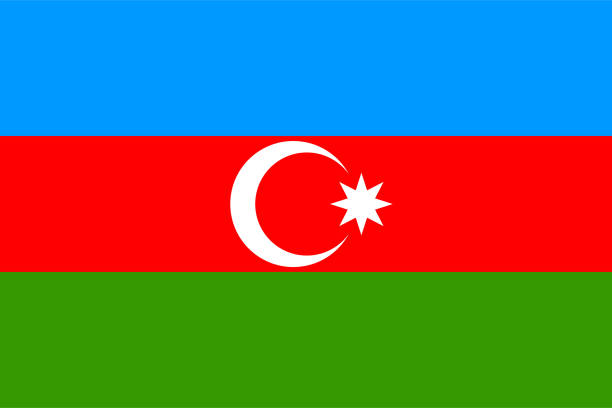
The historical genesis of Solidarity Day is inextricably linked to a singular, powerful event in the twilight of the Soviet Union. In late December 1989, inspired by the spirit of change sweeping across Eastern Europe symbolized by the fall of the Berlin Wall, a remarkable act of popular defiance occurred along the border of the Nakhichevan Autonomous Soviet Socialist Republic . For decades, this border, a product of the 1828 Treaty of Turkmenchay that divided Azerbaijani lands between the Russian and Persian empires, had served as a physical and ideological barrier separating families and a shared ethnic community. In a bold move, local residents took it upon themselves to dismantle the border fences and fortifications separating Soviet Azerbaijan from Iran, seeking a momentary but deeply symbolic reunion with their ethnic kin in what is often referred to as Southern Azerbaijan. This spontaneous act was not merely about crossing a political boundary; it was a visceral rejection of artificial divisions and a dramatic assertion of a unified national identity that transcended the imposed cartography of superpowers. Photographs from that time, showing Azerbaijanis gazing at each other across the Araz River, became enduring icons of this longing for unity. This grassroots movement was contemporaneous with the first World Congress of Azerbaijanis held in Istanbul, which formally proposed the establishment of a day dedicated to global Azerbaijani solidarity, thereby linking the physical act of border-breaking with an organized, diasporic vision for perpetual unity .
The formal establishment of the holiday is credited to the national leader Heydar Aliyev. On December 16, 1991, in his capacity as Chairman of the Supreme Assembly of the Nakhchivan Autonomous Republic, Aliyev recognized the profound significance of the 1989 events and the broader need for national cohesion. He declared December 31st as the Day of Solidarity of all the Azerbaijanis of the World . This declaration occurred at a pivotal historical juncture, mere weeks after Azerbaijan had restored its independence following the dissolution of the USSR. The nascent republic, grappling with the challenges of state-building and the ongoing conflict in Nagorno-Karabakh, urgently needed a narrative of unity and strength. Solidarity Day provided exactly that a state-sanctioned holiday that transformed a popular movement into a core element of national policy. In 1992, President Abulfaz Elchibey signed the decree that cemented its status as an official public holiday, ensuring its annual commemoration would serve as a pillar of modern Azerbaijani identity .
To understand the full emotional weight and contemporary relevance of Solidarity Day, one must appreciate the complex historical context of the Azerbaijani people. The modern Republic of Azerbaijan emerged in 1918 as the Azerbaijani People's Republic, the first secular democratic Muslim-majority state in the world . However, its independence was short-lived, succumbing to Soviet annexation in 1920. The subsequent seven decades of Soviet rule systematically suppressed national consciousness, erasing and distorting Azerbaijani history to fit Marxist-Leninist narratives, a cultural and intellectual oppression that left deep generational scars. Simultaneously, millions of ethnic Azerbaijanis in Iran faced a different but parallel struggle, often deemed "separatist" for asserting their linguistic and cultural identity within a Persian-dominated state framework. This dual experience of repression Soviet and Pahlavi created a diaspora not only of people scattered across the globe by economic migration and conflict, but also of a nation divided within its own historical homeland. Solidarity Day, therefore, is a direct response to this history of fragmentation. It is an act of collective memory against historical erasure and a defiant celebration of an identity that has persisted despite centuries of division. As noted in diaspora reflections, the day is a reminder that "despite being cut in half... Azerbaijanis remained Azerbaijanis," speaking the same language and nurturing the same longing for connection .
The celebration of Solidarity Day is both a state-sponsored spectacle and a grassroots, global phenomenon. Within Azerbaijan, the day is marked by official ceremonies, speeches by political leaders emphasizing national unity, and extensive media programming dedicated to Azerbaijani history and culture. The government, under President Ilham Aliyev, actively promotes the idea that the policy of unity, founded by Heydar Aliyev, is a cornerstone of the nation's strength . However, the true heart of the celebration beats within the global Azerbaijani diaspora. From the United States to Uzbekistan, community organizations host festive gatherings that blend the joy of New Year's festivities with vibrant displays of national pride. These events are rich with cultural signifiers: performances of traditional mugham music and yalli dances, recitations of poetry by classics like Nizami Ganjavi and Khurshidbanu Natavan, and the sharing of symbolic dishes such as plov (pilaf), dolma, and festive pastries. In venues like the Heydar Aliyev Azerbaijani Cultural Center in Tashkent, concerts feature songs of patriotism and solidarity, while theater troupes perform scenes from Azerbaijani dramatic works, and dance ensembles like "Garabagh Victory" embody historical memory and national spirit through movement. These gatherings are not mere parties; they are active acts of cultural preservation and identity transmission for younger generations born and raised far from the Caspian Sea. They serve as a powerful antidote to the alienation of diaspora life, creating a tangible experience of the "global Azerbaijani family" the holiday envisions .
In recent years, the meaning of Solidarity Day has been powerfully refracted through the prism of Azerbaijan's dramatic military and political developments. The victory in the 2020 Second Karabakh War, which led to the liberation of territories occupied for nearly three decades, infused the holiday with a renewed sense of triumphalism and vindication. The war itself had highlighted the role of a unified national spirit, with diaspora communities worldwide actively advocating for Azerbaijan's cause . The subsequent full restoration of Azerbaijan's sovereignty over the Karabakh region in 2023 has further solidified a narrative of resilience and restored territorial integrity. For many Azerbaijanis, these events are seen as a modern-day realization of the solidarity championed by the holiday a unity that translated into concrete national achievement. The day now also carries a subtle, introspective message for Azerbaijanis within the republic. As diaspora writers have pointed out, in a nation that has so recently reclaimed fragmented lands, internal social divisions based on region, class, or religious practice can seem particularly incongruous . Thus, Solidarity Day has evolved to advocate not only for unity across borders but also for greater social cohesion within the nation itself.
International Solidarity Day of Azerbaijanis, therefore, stands as a unique and deeply resonant institution in the world's cultural and national calendar. It is a holiday born from a specific, dramatic moment of popular will in 1989, nurtured into official policy during the fragile dawn of independence, and matured into a comprehensive celebration of a global identity. It acknowledges a painful history of division by empires, by ideologies, and by conflict while actively forging a present and future defined by connection. It seamlessly intertwines the universal hope of a New Year with the particularistic pride of a nation, allowing for joyous celebration without forgetfulness of struggle. On every December 31st, as the clock counts down to midnight, Azerbaijanis around the world pause not only to greet a new year but to affirm an ancient and enduring bond. They celebrate the unbreakable threads of language, culture, and shared destiny that tie together the communities in Baku and Tehran, in Nakhchivan and Istanbul, in Brooklyn and Tashkent, into a single, proud, and solidaristic whole. In doing so, they transform a day of transition into a permanent monument to their unity.
Photo from: iStock

0 Comment to "International Solidarity Day of Azerbaijanis: A Global Celebration of Unity, History and National Identity "
Post a Comment